 Sebastian Stokkendal
In This Article▼
Black Friday is no longer simply a single day when businesses offer discounts and shoppers look for bargains. It has become a competitive shopping period in which customers compare prices, research products, wait for exclusive offers, and expect relevant communication across multiple channels. For businesses, success depends on more than announcing a discount. It requires a carefully planned campaign that builds anticipation, reaches the right audience, encourages timely purchases, and maintains customer relationships after the sale. A well-designed Black Friday email marketing strategy in 2026 should connect every message to a specific customer action. Instead of sending the same promotional email to everyone, brands should use a seven-day campaign to guide different subscriber groups from initial interest to purchase and, eventually, repeat business.
What this seven-day plan is built to do
Sebastian Stokkendal, founder of Messaro, treats a sale week as one customer journey. This plan does the same. Each message has a job: who it is for, what the offer is, when it should arrive, and whether the follow-up goes out by email, SMS, or both.
The thinking behind this framework is straightforward: customers should receive information that matches their relationship with a business and their current buying intent. A loyal customer may deserve early access, while a first-time visitor may need product information, reviews, or a welcome incentive before making a purchase. Someone who has already bought should receive useful recommendations rather than repeated reminders to purchase the same item.
The framework also recognises that different businesses have different sales cycles. An online fashion store can promote product collections and limited-time offers, while a software company may need to communicate annual subscription savings and product value. A restaurant may focus on gift cards and reservations, whereas a local service provider may promote consultations or seasonal packages.
Sebastian's approach therefore centres on five principles:
- Relevance. Send messages based on customer interests, purchase history, and engagement.
- Timing. Give every campaign message a clear purpose and send it when the information is useful.
- Consistency. Keep email, SMS, landing pages, and promotional terms aligned.
- Customer experience. Make offers easy to understand, access, and redeem.
- Long-term value. Continue communicating after the promotional period instead of treating customers as one-time transactions.
These principles form the foundation of the seven-day plan below. Businesses can adjust the offers and creative direction to suit their audiences while keeping the overall journey intact.
Before the Seven-Day Campaign: Prepare Your Marketing Foundation
The seven-day sequence should not be the starting point for preparation. Businesses should begin planning several weeks ahead. Black Friday 2026 takes place on November 27, so brands should finalise their offers, customer segments, campaign assets, and technical checks well before the promotional week.
I. Define Your Main Campaign Objective
Start by deciding what the campaign needs to achieve. Increasing total revenue is a common objective, but it should not be the only consideration.
An ecommerce business may want to clear seasonal inventory, acquire first-time customers, or increase average order value. A subscription company may prioritise annual plan upgrades. A local retailer may want more store visits, while a restaurant may want to sell gift cards for the holiday season.
Choose one primary objective and two supporting metrics. For example, an online clothing store could aim to increase revenue while monitoring average order value and first-time customer purchases. Clear objectives make it easier to decide which offers, audiences, and messages deserve priority.
II. Segment Your Subscriber List
Do not send every email to every subscriber. Divide your audience into meaningful groups using available customer information.
Useful segments include:
- Previous customers who have purchased within the last twelve months.
- VIP customers with frequent purchases or high lifetime value.
- Subscribers who regularly open or click promotional emails.
- New subscribers who have not purchased yet.
- Customers who viewed products or abandoned their carts.
- Previous customers who have not interacted with the brand recently.
You can also segment by product interest, location, order value, and preferred communication channel. Avoid using information you do not have permission to collect or use. Make sure your targeting respects applicable privacy and marketing consent requirements.
III. Decide on Offers and Promotional Conditions
A discount should support the business objective rather than simply look impressive. Calculate product margins, shipping expenses, payment fees, and fulfilment costs before finalising an offer.
Consider alternatives to blanket discounts, such as bundles, free delivery, complimentary gifts, loyalty rewards, extended warranties, or early access. These options can create value without reducing the price of every product.
Write down the exact conditions of each promotion. Include eligible products, minimum order values, discount codes, exclusions, start and end times, and shipping restrictions. The landing page and every promotional message should communicate the same terms.
IV. Prepare Your Technical Setup
Check your email authentication, sending domain, unsubscribe process, signup forms, landing pages, discount codes, and checkout experience. Test your emails on mobile devices and different email clients. Confirm that automated messages do not conflict with scheduled campaigns.
Businesses that plan to increase email volume should do so gradually and prioritise engaged subscribers. A sudden increase in sending activity can damage deliverability, particularly when inboxes are already crowded. Monitor bounces, spam complaints, unsubscribes, and engagement throughout the campaign.
The Best Seven-Day Black Friday Email Campaign Strategy for 2026
The following schedule covers November 24 through November 30. Each day has a distinct purpose, helping businesses maintain momentum without sending repetitive messages.
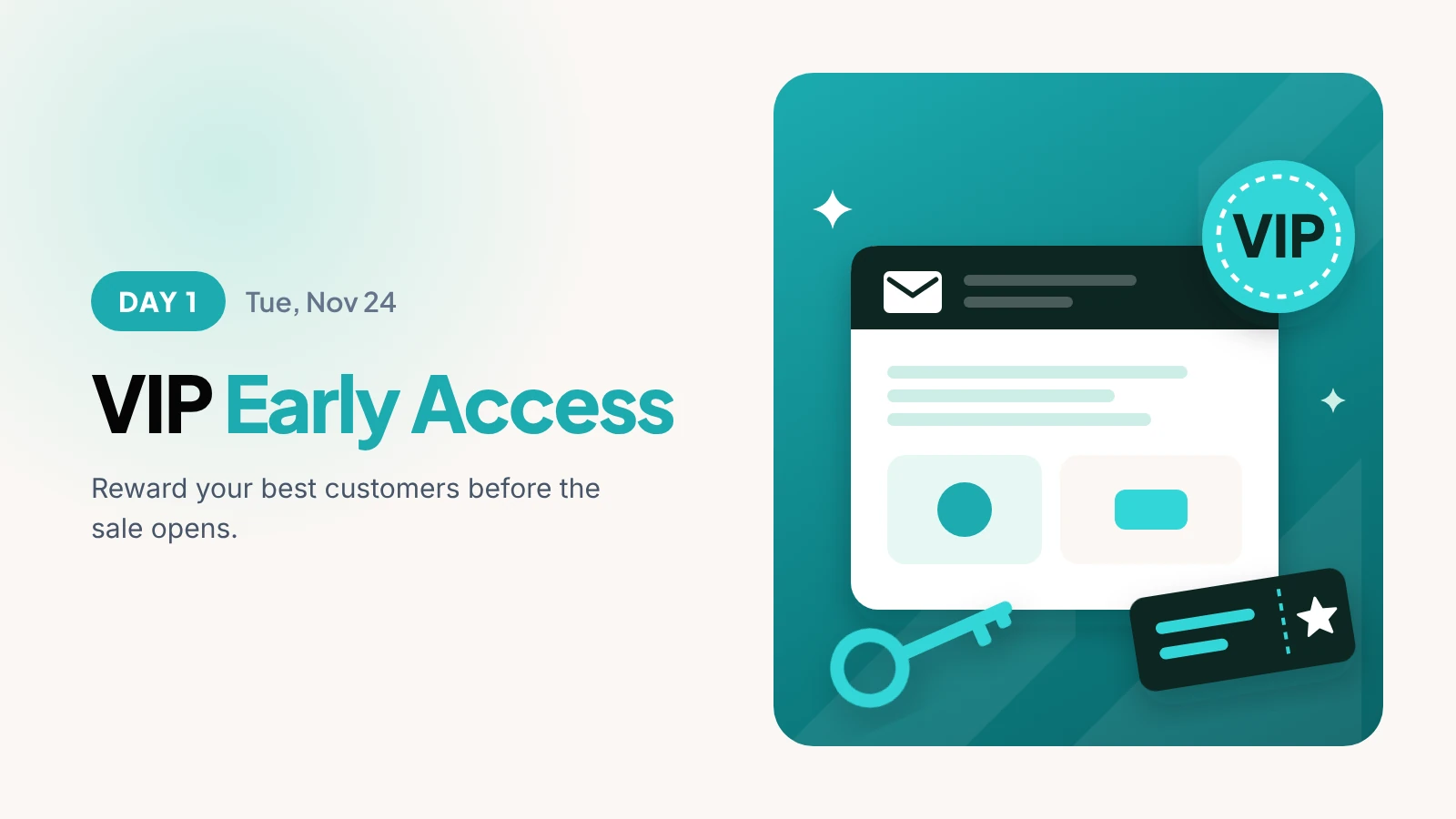
Day 1: Tuesday, November 24, Build Anticipation With VIP Early Access
The first day should reward your most valuable customers and create excitement before the main sale begins. Rather than announcing every offer to everyone, allow loyal customers to shop early.
What should your email include?
Start with a personalised greeting and explain that the subscriber has received early access because of their relationship with your business. Present the most relevant products, services, or packages instead of displaying your entire catalogue.
Include a clear offer, an early-access link, and a visible expiration time. If inventory is genuinely limited, explain the available quantity or product restrictions accurately. Avoid artificial countdowns or misleading scarcity claims.
A suitable subject line could be:
Your Black Friday Access Starts Early, Shop Before Everyone Else!
Strategies for different business types
- Fashion and apparel stores: Give VIP customers early access to selected collections, seasonal clothing, footwear, or accessories. Recommend products based on previous purchases and browsing behaviour. You could also offer a complimentary accessory above a specific order value.
- Beauty and skincare brands: Create early-access bundles featuring popular skincare routines, makeup collections, or gift sets. Explain which products work together and provide clear information about ingredients, usage, and suitability.
- Electronics retailers: Offer early access to selected laptops, headphones, smartphones, gaming accessories, and home technology. Include product specifications, warranty details, and comparisons to help customers make informed decisions.
- SaaS and subscription businesses: Give existing users first access to annual subscription savings, premium upgrades, or additional account features. Explain the difference between plans and make renewal conditions clear.
- Restaurants and hospitality businesses: Offer loyal customers early access to holiday dining reservations, gift cards, special dining packages, or limited seasonal experiences.
- Local retailers and service providers: Invite returning customers to book appointments, access exclusive service packages, or visit the store before the main promotion begins.
Use SMS carefully
An SMS message can support the early-access email by directing opted-in VIP customers to the relevant landing page. Keep it short and include the essential offer details. Do not send the same message repeatedly to customers who have already redeemed the promotion.
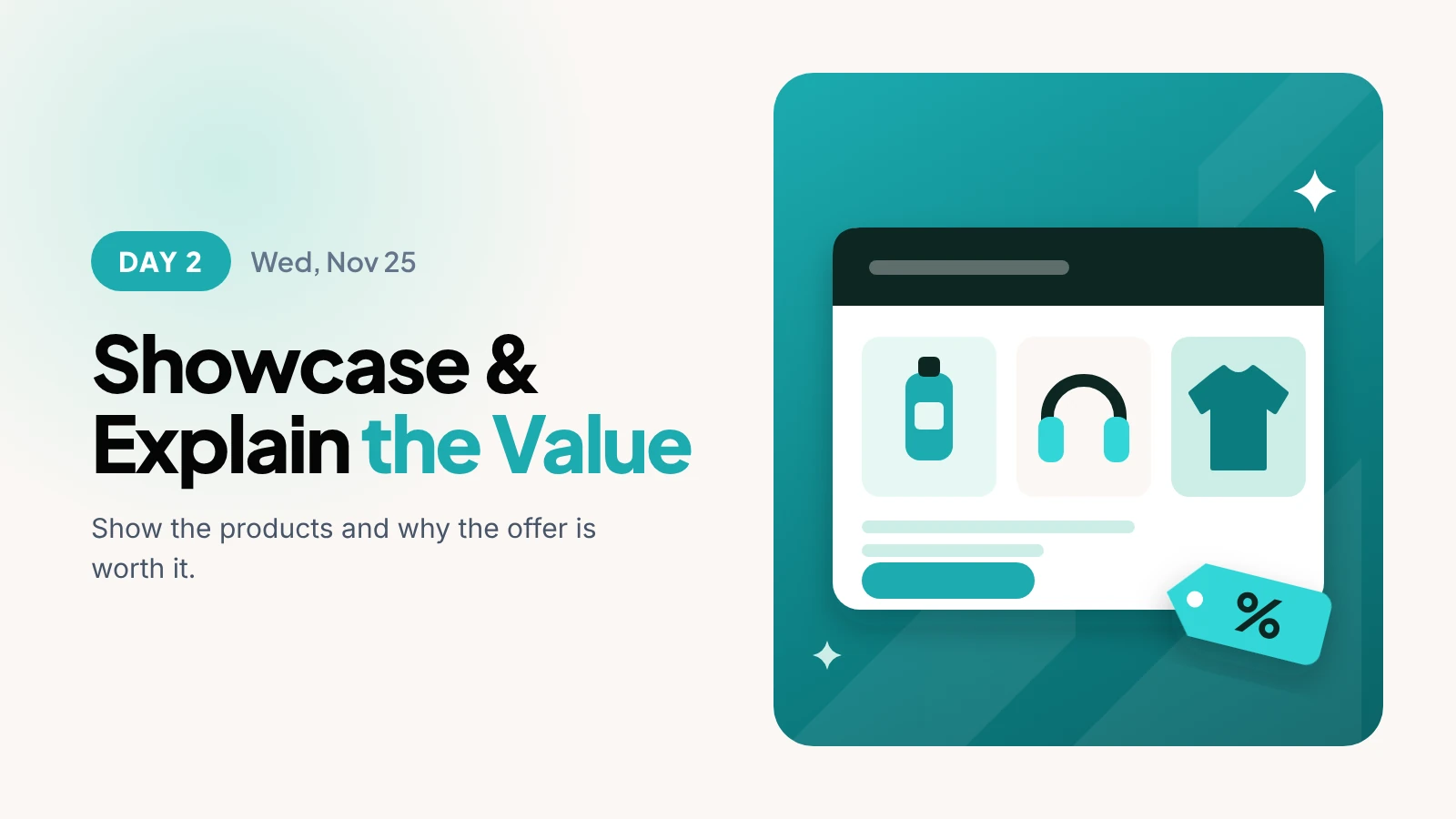
Day 2: Wednesday, November 25, Showcase Products and Explain the Value
The second day should help interested subscribers understand what they can buy and why the offer is worth considering. Some customers may have noticed the early-access announcement but still need more information before making a decision.
Create a product-focused email
Build the message around a small number of featured products or services. Use high-quality images, short descriptions, clear pricing, and direct links to relevant product pages.
Instead of writing only about discounts, explain practical benefits. A clothing retailer can highlight fabric quality and styling options. An electronics brand can explain product specifications and everyday performance. A software company can demonstrate how a particular plan helps users complete specific tasks.
Consider adding customer reviews, frequently asked questions, comparison charts, or short demonstrations. Social proof can reduce uncertainty, but testimonials should be genuine and accurately represented.
Strategies for different business types
- Home and furniture stores: Create room-based collections, such as bedroom essentials, home office upgrades, or living room furniture. Explain dimensions, materials, delivery arrangements, and assembly requirements. Customers buying larger products need more information than a simple discount announcement provides.
- Fitness and wellness brands: Promote equipment bundles, memberships, training packages, or wellness products. Focus on practical use cases and explain what customers receive. Avoid unsupported health or performance promises.
- Travel and experience businesses: Highlight gift experiences, accommodation packages, seasonal activities, or booking offers. Make blackout dates, booking windows, cancellation policies, and availability easy to find.
- B2B companies: Present solutions that address business problems. A software provider might show how its platform supports customer communication, reporting, or workflow management. A professional service company could explain the scope and deliverables of a discounted consultation.
- Education and online course providers: Feature selected courses, learning bundles, or annual memberships. Explain course content, access duration, instructor credentials, and the skills learners can expect to develop.
Make recommendations relevant
Use browsing activity, purchase history, or declared preferences where available and permitted. A subscriber interested in home appliances should not receive an email dominated by fashion accessories.
For a strong Black Friday email marketing campaign in 2026, relevance matters as much as the promotional value. A smaller selection of useful recommendations can make the message easier to navigate and improve the likelihood of meaningful clicks.
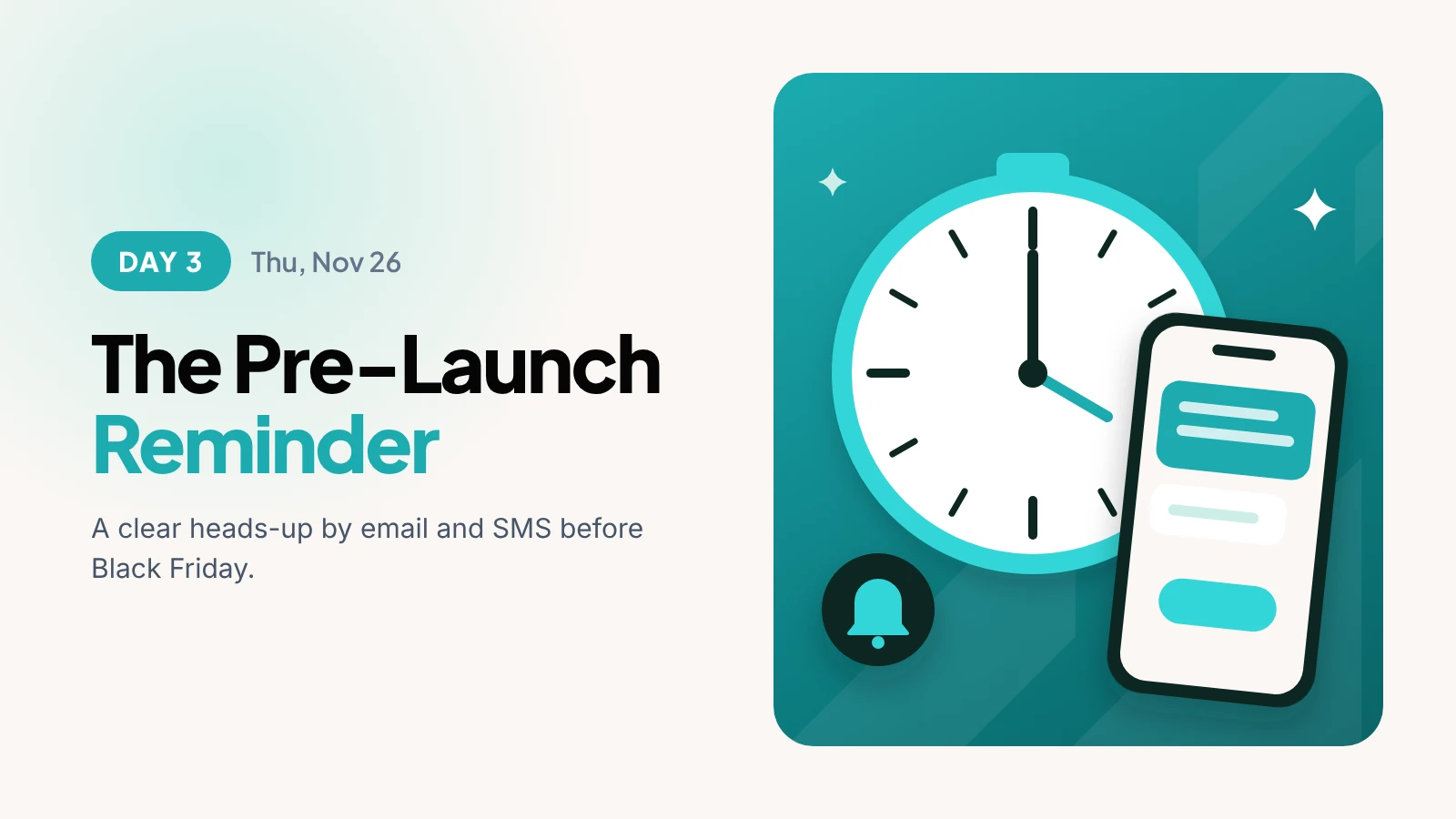
Day 3: Thursday, November 26, Create a Clear Last-Chance Reminder Before Black Friday
Thanksgiving takes place on November 26 in the United States. For businesses targeting American customers, this is an opportunity to send a thoughtful reminder before the main Black Friday promotion begins.
The message should communicate when the sale opens, what customers can expect, and whether VIP access is ending. Do not overwhelm subscribers with another lengthy catalogue if they have already received product recommendations.
What should you communicate?
Use a concise subject line that makes the next step clear:
Black Friday Starts Tomorrow, Get Ready for Our Best Offers
The email should include the sale start time, featured categories, important conditions, and a link to the promotional page or wishlist. If the sale begins at midnight, state the relevant time zone.
Strategies for different business types
- Ecommerce stores: Show a preview of the strongest deals and remind subscribers to save their favourite products. If stock is limited, only mention scarcity when inventory information supports the claim.
- Beauty and fashion brands: Share gift guides and curated collections for different budgets. Help customers identify suitable gifts for friends, family members, and colleagues.
- Electronics stores: Highlight the products expected to receive the main promotional prices. Include a short comparison of featured models so customers can decide what to look for when the sale launches.
- Restaurants: Promote gift cards, holiday dining packages, or reservation opportunities. Explain whether customers can purchase online, redeem in person, or use the offer during specific dates.
- SaaS businesses: Remind prospects about the upcoming subscription promotion. Explain the savings over the full billing period and clarify whether the offer applies to new customers, existing customers, or both.
- Service businesses: Share the booking window, package details, and appointment availability. A home improvement company, for instance, could promote consultations for projects scheduled in the coming months rather than promise immediate service.
Coordinate email and SMS
Send a reminder SMS only to subscribers who have opted in to receive marketing texts. The message should complement the email, not duplicate every detail. A short alert about the sale opening time can be useful, especially for customers who prefer mobile notifications.
Day 4: Friday, November 27, Launch the Main Black Friday Sale
This is the most important day of the sequence. Your launch email should make the offer immediately understandable and remove unnecessary steps between discovering a deal and completing a purchase.
Build a high-converting launch email
Place the main offer near the top of the email. Use a clear headline, a strong product image, and a prominent call to action. Avoid hiding essential conditions in tiny text or relying on a complicated discount explanation.
A practical structure includes:
- A direct announcement that the sale is live.
- The main offer and its expiration time.
- A selection of featured products or services.
- Supporting details, such as delivery, returns, or eligibility.
- A clear call to action.
Subject line example:
Black Friday Is Here, Shop Our Biggest Offers Today!
Make sure the landing page repeats the same offer and uses the same promotional language. A customer should not have to search for a discount code or guess which products qualify.
Strategies for different business types
- Fashion retailers: Promote best-selling clothing, seasonal collections, footwear, and accessories. Use category-based navigation so shoppers can quickly find products for different occasions. Offer outfit bundles or spend-based incentives where margins allow.
- Beauty brands: Feature best-selling skincare, makeup, fragrances, and gift sets. Provide clear product information and recommend complementary items. Avoid making exaggerated claims about results.
- Electronics businesses: Lead with the strongest verified deals. Show original and promotional prices accurately, include product specifications, and explain warranty and delivery terms. Consider separate emails for different product interests rather than sending one enormous catalogue.
- Grocery and food brands: Promote festive hampers, pantry bundles, subscription boxes, or bulk-buy offers. Clearly state delivery areas, freshness information, storage requirements, and order deadlines.
- SaaS and technology companies: Focus on annual plans, team subscriptions, premium features, or onboarding packages. Demonstrate the practical value of upgrading and explain the billing terms. A free trial or product demonstration may be more suitable than a large discount for some businesses.
- Restaurants and hospitality brands: Promote gift cards, dining experiences, event packages, and online reservations. Include redemption terms, participating locations, and booking availability.
- B2B and professional services: Present a clearly defined package with a transparent scope. A marketing agency could offer a website audit, strategy session, or fixed-scope service bundle. Explain the deliverables, eligibility, and expected project timeline.
- Local shops: Encourage customers to visit the store or order online. Include location details, store hours, parking information, and collection options. If the offer is available in-store only, state that clearly.
Use automated follow-ups
Customers may visit a product page, add an item to their cart, or begin checkout without completing the purchase. An abandoned-cart email can remind them about the product and provide a direct route back to checkout.
Do not assume every abandoned cart requires a discount. Some shoppers simply need delivery information, product specifications, or reassurance about returns. Use the reminder to answer likely questions.
An SMS follow-up can be useful for opted-in customers when the timing and frequency are appropriate. Suppress reminders once an order is completed.
Day 5: Saturday, November 28, Use Small Business Saturday to Highlight Your Brand
The fifth day provides an opportunity to move beyond the main discount announcement. Small Business Saturday is particularly relevant to independent retailers and local businesses in the United States, but brands elsewhere can use the day to highlight craftsmanship, customer service, and community connections.
Tell a more human brand story
Use the email to explain what makes your business worth supporting. Introduce your team, highlight locally made products, share customer stories, or explain the care involved in delivering your service.
A brand story should still connect to a useful offer. Feature a curated collection, a limited bundle, a complimentary add-on, or a special service package.
Strategies for different business types
- Independent fashion and lifestyle stores: Highlight local designers, handmade products, exclusive collections, and personal styling services. Explain how customers can support independent creators through their purchases.
- Artisan food and gift businesses: Promote locally produced hampers, handmade chocolates, speciality foods, and gift boxes. Include product origins, ingredients, packaging details, and delivery information.
- Bookshops and creative retailers: Create themed bundles for readers, artists, students, or hobby enthusiasts. Recommend products by interest rather than simply listing discounted stock.
- Local restaurants and cafes: Promote gift vouchers, special menus, takeaway bundles, or seasonal experiences. Encourage customers to share the offer with friends and family.
- Professional service providers: Use the day to explain your expertise, customer approach, and service process. A local design studio could offer a discounted discovery session, while a repair business might promote a maintenance package.
- Nonprofits and social enterprises: Highlight the impact of purchases or donations. If a portion of revenue supports a charitable cause, clearly explain the contribution and how it will be used.
Encourage genuine customer participation
Invite customers to share a purchase, review a product, or tell the brand what they would like to see next. Make participation optional and avoid making a positive review a condition of receiving a reward.
This day can strengthen the emotional connection between customers and the business. It also gives brands a chance to demonstrate that their relationship with subscribers extends beyond promotional pricing.
Day 6: Sunday, November 29, Recover Interested Shoppers and Reduce Purchase Hesitation
Sunday is an important opportunity to reconnect with people who showed interest during the first five days but have not purchased. However, sending another generic sale announcement to the entire list is unlikely to be the best approach.
Create behaviour-based email segments
Divide subscribers according to their recent activity.
- Clicked but did not purchase: Send a message featuring the products or categories they explored. Include useful information such as product comparisons, delivery details, or customer reviews.
- Abandoned checkout: Send a reminder with a direct checkout link. If appropriate, explain available payment methods and return policies.
- Opened but did not click: Use a different message angle. The original email may not have made the offer clear enough, or the subscriber may need a more relevant product selection.
- Purchased already: Exclude these customers from reminders for the same purchase. Send a thank-you message or recommendations for complementary products instead.
- Inactive subscribers: Avoid repeatedly sending high-frequency promotions to people who have not engaged. Consider a lighter message or suppress them from the most intensive campaign sequence.
Strategies for different business types
- Fashion and beauty: Recommend alternatives in the same category, complementary accessories, or related products. If a customer viewed a particular foundation shade or clothing size, make sure the recommendation is relevant and available.
- Electronics: Provide comparison information, warranty details, and answers to common questions. Customers may hesitate because they are uncertain about compatibility, technical specifications, or after-sales support.
- Furniture and home improvement: Explain dimensions, installation, materials, delivery, and service arrangements. A product guide or consultation invitation may be more persuasive than another discount reminder.
- Travel and hospitality: Highlight remaining booking availability only when it is accurate. Include cancellation policies, travel dates, and package inclusions so customers can make a confident decision.
- SaaS and B2B: Offer a product demonstration, implementation overview, or comparison of subscription plans. Prospects often need to understand how a service fits their workflow before committing.
- Restaurants and local services: Remind customers about gift card redemption, booking availability, or the final date for a seasonal package. Keep the message practical and locally relevant.
Use a helpful, not pushy, tone
A useful reminder should answer a question or remove an obstacle. Repeating phrases such as “Buy Now Before It Is Too Late” does not address why someone has not purchased.
For Black Friday email marketing in 2026, the Sunday follow-up should be based on customer intent. A shopper who needs product information should receive information, while someone who has already completed an order should receive a different experience.
Day 7: Monday, November 30, Finish With a Cyber Monday Campaign
Cyber Monday is the final major day in this seven-day sequence. The campaign should feel like a distinct online shopping opportunity, not simply another copy of Friday's email.
Create a Cyber Monday offer
You can introduce an online-only deal, a new product bundle, a subscription promotion, free delivery, or a final opportunity to access selected Black Friday prices.
Make the distinction clear. If the same offer is continuing, explain that it remains available until a specific time. Do not describe an unchanged promotion as a new exclusive deal.
Subject line example:
Cyber Monday Is Here, Your Final Chance to Shop Online
Strategies for different business types
- Ecommerce stores: Feature online-exclusive bundles, best-selling products, or a final selection of promotional items. Include accurate stock and delivery information.
- Fashion and beauty brands: Create gift-ready collections and complementary product bundles. Recommend items based on previous engagement and explain the value of buying the collection together.
- Electronics retailers: Promote selected online-only deals and useful accessories. Make compatibility, warranty, delivery, and return information easy to access.
- SaaS and subscription businesses: Focus on annual plans, premium upgrades, team packages, and onboarding benefits. Make renewal pricing and subscription terms especially clear.
- Digital product and education businesses: Promote course bundles, templates, memberships, or downloadable resources. Explain what is included and how customers receive access.
- Restaurants and hospitality businesses: Offer online gift card purchases, digital vouchers, or reservations for selected experiences. Explain redemption conditions and expiration dates.
- Service businesses: Promote consultation packages, seasonal maintenance bookings, or limited project slots for future dates. Be transparent about availability and service areas.
Send a final reminder selectively
A final-hours email can work for subscribers who have engaged with the campaign but have not purchased. It should state the actual closing time and direct recipients to the most relevant offer.
SMS can provide a short final reminder to opted-in customers who are likely to find it useful. Avoid sending multiple last-minute messages simply to create pressure. Once the promotion ends, stop advertising it and update the landing page.
How to Adapt the Seven-Day Strategy to Your Business Model
The schedule provides a shared structure, but businesses should not copy every message without considering their customer journey.
I. Ecommerce and Direct-to-Consumer Brands
These businesses can use the full seven-day sequence, with product recommendations, VIP access, cart recovery, and post-purchase follow-ups. Their biggest priorities should be inventory accuracy, checkout performance, delivery information, and relevant segmentation.
II. Small and Independent Businesses
Smaller businesses may not have enough subscribers to justify seven separate emails to everyone. They can use the same seven-day plan with fewer sends, prioritising VIP customers, local audiences, and people who have shown interest. Personal communication and clear service information can be stronger differentiators than large discounts.
III. SaaS and Subscription Businesses
Software companies should focus on product value, plan comparisons, annual billing, and onboarding. A customer who does not understand the product will not necessarily convert because of a lower price. Use demonstrations, feature explanations, and customer success examples to support the offer.
IV. B2B and Professional Services
B2B buying decisions often involve multiple people and longer approval cycles. Use the campaign to generate qualified conversations, consultations, and demonstrations rather than expecting every prospect to purchase immediately. Make the scope and terms of promotional packages explicit.
V. Restaurants, Travel, and Hospitality
These businesses should promote experiences, reservations, gift cards, and packages. Availability, dates, redemption rules, and cancellation policies are essential. Use local time zones and location-based targeting where relevant.
Important Metrics to Track During the Campaign
A successful campaign should be measured by meaningful business outcomes, not just the number of emails sent.
| Metric | What It Helps You Understand |
|---|---|
| Delivery and bounce rates | Whether messages are reaching valid inboxes |
| Click-through rate | Whether email content encourages action |
| Conversion rate | How effectively clicks lead to purchases or bookings |
| Revenue per recipient | The commercial value of each campaign audience |
| Average order value | Whether customers are buying larger orders |
| Unsubscribe rate | Whether campaign frequency or relevance needs attention |
| Spam complaint rate | Whether recipients consider messages unwanted |
| Repeat purchase rate | Whether new customers return after the sale |
| SMS conversion rate | How effectively text campaigns support purchases |
Open rates can provide directional information, but privacy features and automated image loading can make them less reliable. Give greater weight to clicks, conversions, revenue, and customer behaviour.
Review performance by segment as well as by campaign. A message may produce strong overall revenue while performing poorly among new subscribers. Understanding these differences helps you improve future campaigns.
Common Mistakes to Avoid in Your Black Friday Campaign
Even a well-designed schedule can underperform when businesses overlook basic execution details.
- Sending the same email to everyone. Different customers have different interests and purchase histories. Segment your list and tailor the content.
- Offering discounts without checking margins. Calculate the full cost of each promotion before announcing it. Revenue growth does not automatically mean profit growth.
- Ignoring mobile design. Many subscribers read promotional messages on smartphones. Use readable text, clear buttons, compressed images, and a simple layout.
- Creating misleading urgency. Do not use false countdowns, invented stock limitations, or unclear expiration dates. Trust is more valuable than a temporary click.
- Forgetting existing customers. Reward loyalty and make sure previous buyers receive useful recommendations rather than irrelevant acquisition offers.
- Overusing SMS. Text messages are personal and immediate. Send them only to appropriately opted-in contacts and make each message worthwhile.
- Failing to plan post-purchase communication. Customers need order confirmations, delivery updates, support, and useful follow-ups after buying.
- Ignoring deliverability. A large campaign will not perform if messages land in spam. Maintain authentication, list hygiene, appropriate sending volumes, and a straightforward unsubscribe process.
How Messaro Can Help You Execute Your Black Friday Campaign
Planning a seven-day promotional campaign becomes much easier when your email marketing, SMS campaigns, and follow-ups are managed in one place. Messaro, a leading email and SMS marketing platform, helps businesses simplify these activities through a single dashboard.
Its AI email builder follows a simple concept: One sentence in. A stunning email out. You can use your website's colours, brand voice, and products to create professional email layouts, imagery, and copy for promotional announcements, VIP invitations, product highlights, and Cyber Monday offers.
Alongside email marketing, Messaro allows you to create SMS campaigns for early-access alerts, limited-time deals, and final reminders for opted-in customers. You can also automate follow-ups to maintain relevant communication with interested shoppers.
By bringing email campaigns, SMS marketing, automated follow-ups, and customer conversations together, Messaro helps businesses organise their promotional activities more efficiently. Make your Black Friday campaigns easier to create and manage. Visit Messaro or create your account today.
Frequently Asked Questions (FAQs)
Q-1. When should businesses start preparing for Black Friday email marketing in 2026?
Ans: Businesses should begin planning several weeks before Black Friday. Finalise offers, customer segments, landing pages, email templates, and technical checks early. Start teaser communication before the promotional week so subscribers know what to expect.
Q-2. How many emails should a business send during a seven-day Black Friday campaign?
Ans: There is no universal number that works for every business. The seven-day framework provides a daily campaign purpose, but brands should adjust the number of messages according to subscriber engagement, customer preferences, and campaign performance. Not every subscriber needs to receive every email.
Q-3. Should businesses use SMS alongside email for Black Friday promotions?
Ans: Yes, when customers have given the required consent and the messages provide genuine value. Email is useful for detailed offers, product information, and recommendations, while SMS can support time-sensitive announcements and concise reminders. Coordinate both channels to avoid excessive communication.
Q-4. What should small businesses promote during Black Friday?
Ans: Small businesses can promote curated product bundles, gift cards, seasonal packages, complimentary additions, loyalty rewards, and limited service offers. They should focus on products and services that generate sustainable value rather than automatically discounting everything.
Q-5. How can Messaro help businesses with Black Friday email marketing?
Ans: Messaro provides tools for building and sending email campaigns, creating SMS campaigns, automating follow-ups, and managing customer conversations from one dashboard. Its AI email builder can also help businesses create branded email layouts, imagery, and copy using their website's colours, voice, and products.