
 Sebastian Stokkendal
In This Article▼
SMS marketing is heavily regulated in the United States. Understanding and following these laws isn't optional - violations can result in fines of $500 to $1,500 per message. Here's your complete compliance guide for 2026.
TCPA (Telephone Consumer Protection Act)
The TCPA is the primary federal law governing SMS marketing. Key requirements:
Consent Requirements
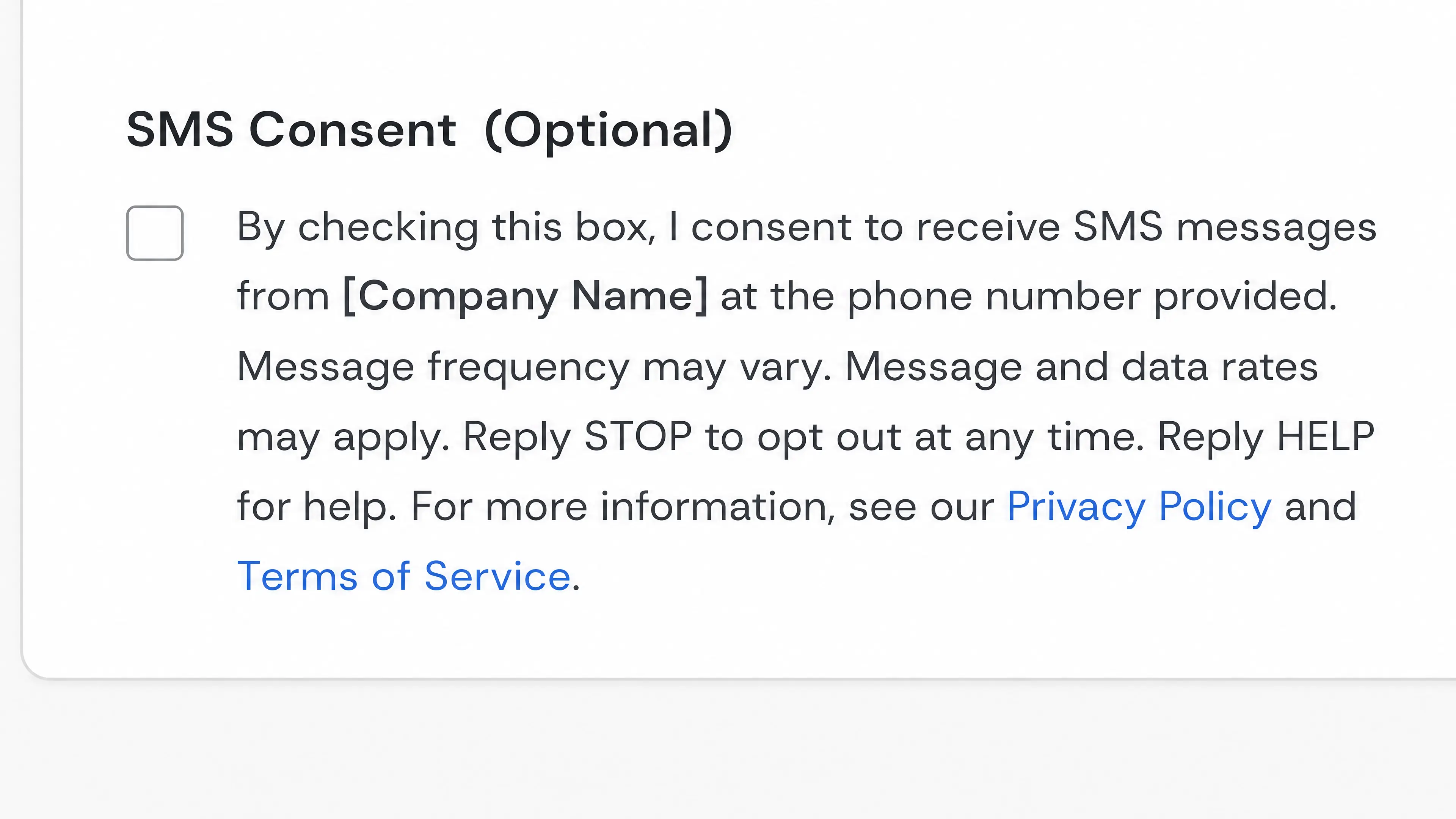
- Express written consent is required before sending marketing texts
- Consent must be clear, unambiguous, and documented
- Pre-checked boxes do NOT constitute valid consent
- Consent cannot be a condition of purchase
What Counts as Valid Consent
- Web form with clear disclosure and checkbox
- Text-to-join keyword with automatic confirmation
- Paper form with signature
- Verbal consent (recorded)
10DLC Requirements
10DLC (10-Digit Long Code) is now required for business SMS in the US. This involves:
Brand Registration
- Register your business with The Campaign Registry
- Provide business details (EIN, address, website)
- Receive a trust score based on verification
Campaign Registration
- Register each SMS use case separately
- Describe message content and frequency
- Provide sample messages
- Show opt-in/opt-out flows
Required Message Elements
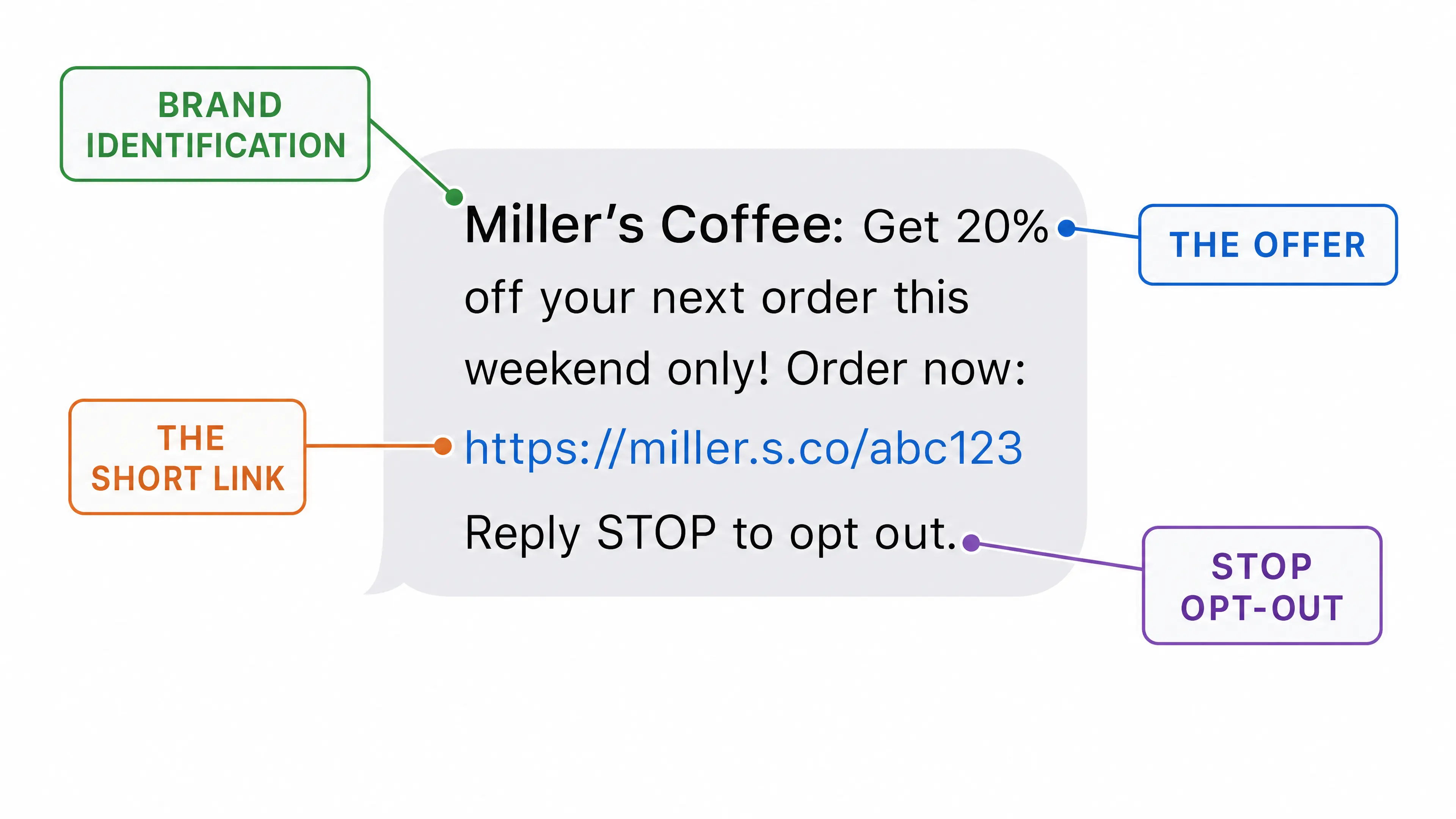
Every SMS campaign must include:
- Business identification: Who is sending the message
- Opt-out instructions: "Reply STOP to unsubscribe"
- Help instructions: "Reply HELP for help" (recommended)
Quiet Hours
While not federally mandated, best practice is to only send messages between:
- 8:00 AM and 9:00 PM recipient local time
- Some states have stricter requirements
State-Specific Laws
Several states have additional SMS marketing regulations:
California (CCPA)
- Consumers can request to know what data you have
- Right to deletion of personal information
- Right to opt-out of data sales
Florida
- Written consent required
- 24-hour opt-out processing requirement
Penalties for Non-Compliance
- $500 per unsolicited message
- $1,500 per willful violation
- Class action lawsuits are common
- Carrier blocking and filtering
Best Practices for Compliance
- Always get explicit opt-in before texting
- Keep records of all consent
- Honor opt-outs immediately
- Include business name and opt-out in every message
- Register for 10DLC before sending
- Use a compliant platform like Messaro
Messaro handles 10DLC registration and compliance automatically, so you can focus on your campaigns without worrying about legal requirements.